Cart

Your cart is empty.



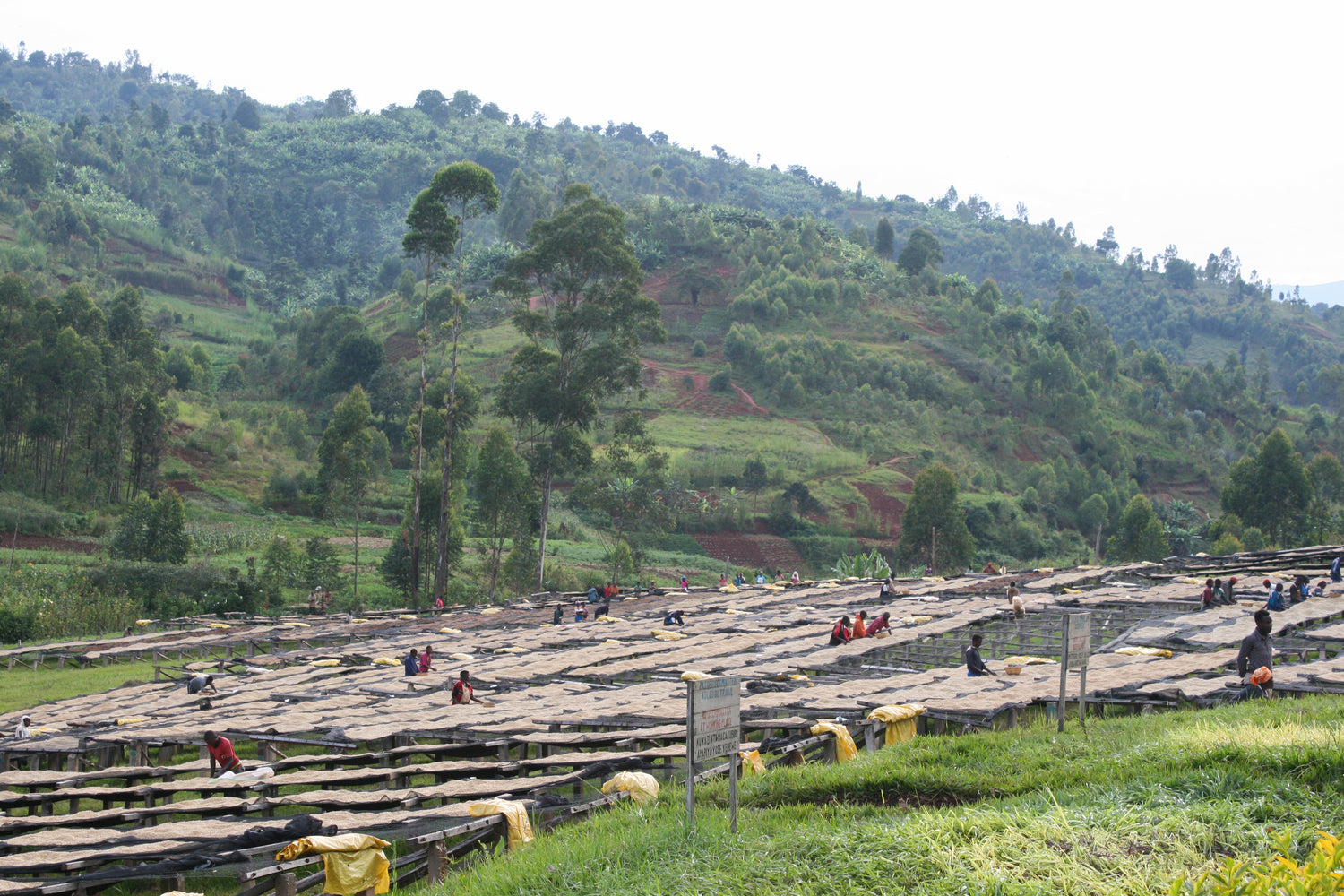
Most of Burundi's coffee is produced in the highlands of Kayanza, in the country's north near the border with Rwanda. Burundi almost exclusively produces micro-lots, with the average farmer owning less than one hectare of land. As a result, most coffee lots are composed of cherries sourced from multiple producers, farms, and varieties.
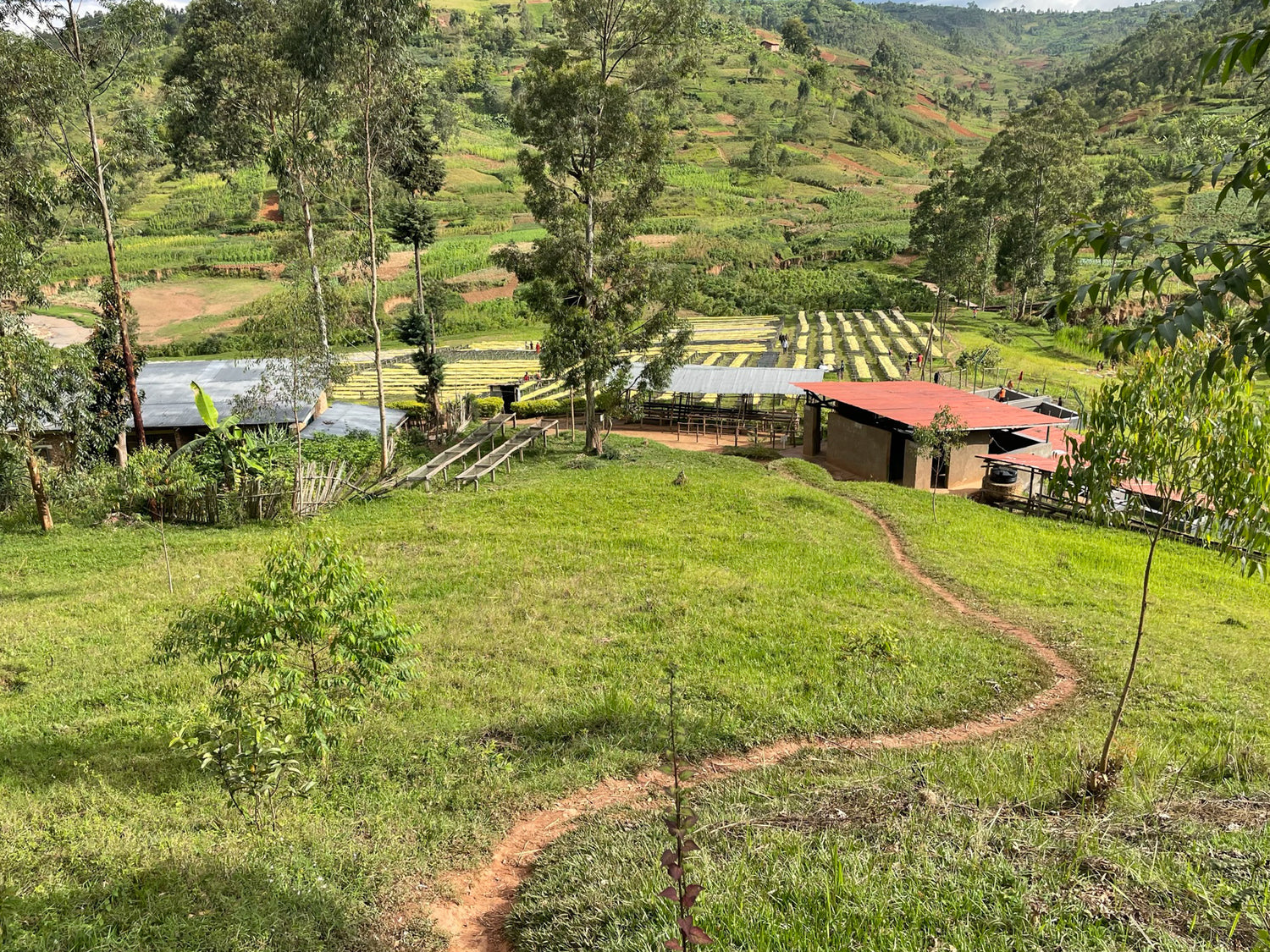
The quality of these coffees lots are shaped by the washing stations where cherry is processed. Kayanza is home to 21 washing stations that serve local producers. The sorting, fermenting and washing of coffee all contribute to the quality and uniformity of each lot.
Cafe Imports has partnered with select stations, including Gakenke, since first sourcing from the region in 2006.