Cart



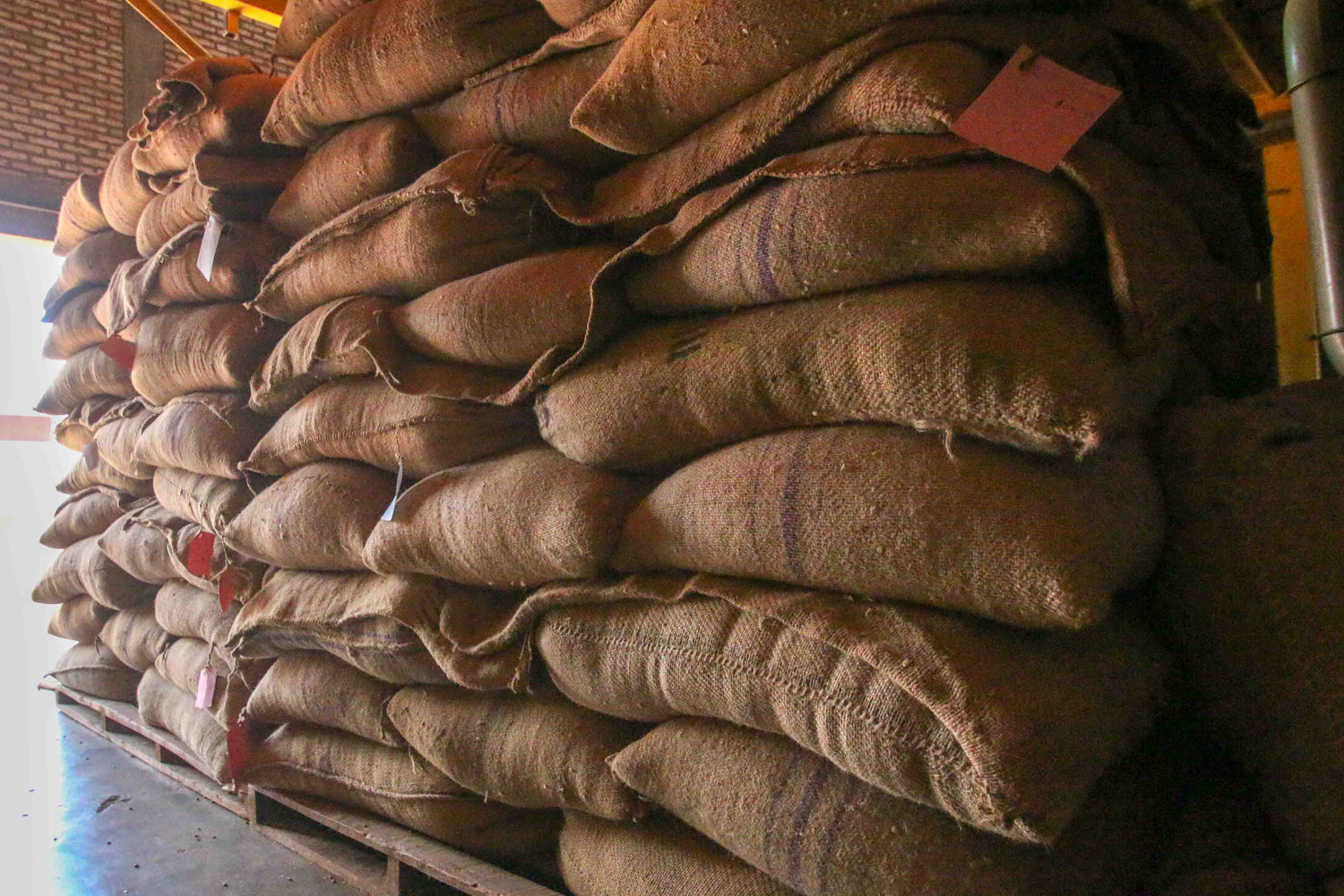
The average farmer in Burundi owns just 1/8 to 1/4 of a hectare of land, so many smallholder farmers deliver their fresh cherry to a washing station to be sorted and processed. Gihere Washing Station has over 200 drying tables and can process nearly 20,000 bags of coffee in total each season.

Because farm sizes are exceptionally small, many producers continue harvesting from aging coffee trees rather than rotating them out of production and replanting. Over time, this can lead to declining yields and reduced productivity.
Agronomic support provided through the Gihere Washing Station plays an important role in helping farmers improve farm management practices, increase yields, and ultimately earn higher premiums for their coffee lots.
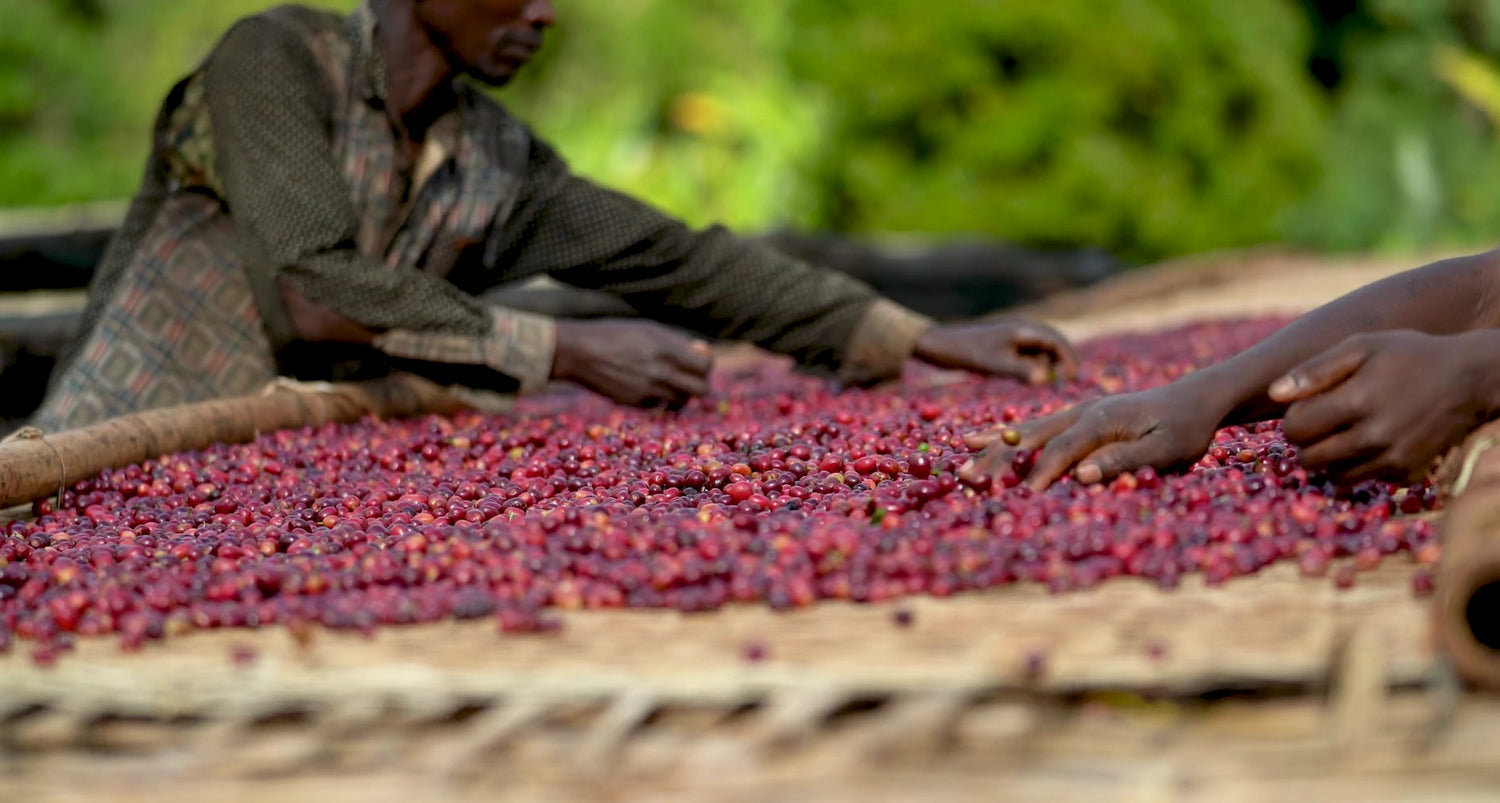
Ngozi is Burundi's second largest coffee producing region, bordering Rwanda it sits at 1650 masl and with temperatures averaging around 70°F the entire year.
For the communities here that rely heavily on agriculture, climate change and political unrest can create significant challenges.