Cart



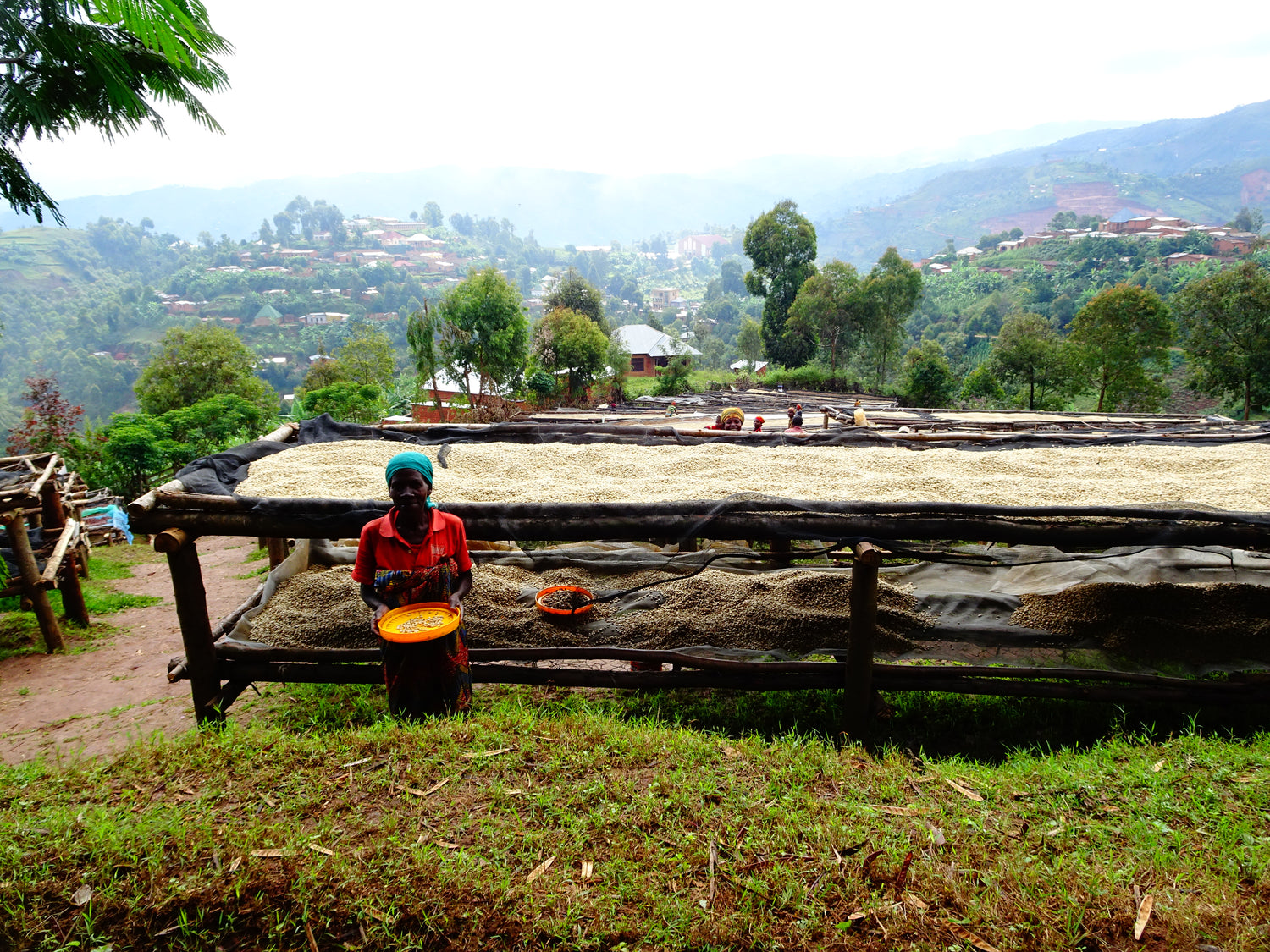
August through January
During the off season, Migoti focuses on investing in infrastructure and agronomy. What does that mean? Simply, the team at Migoti supports the 1,300+ farmers they work with as they tend to their coffee trees and carry out general farm maintenance.
They distribute coffee seedlings and help farmers care for these young trees. Over the last year, Migoti planted 44,308 coffee seedlings, raising the cumulative number of seedlings planted since operations began to more than 350,000.
As well as distributing new coffee seedlings, Migoti has also started an Essential Oils initiative, helping diversify farmers' income with new cash crops such as lemongrass, eucalyptus, and artemisia. Migoti then buys these crops back from the farmers to process into essential oils.This has made a significant difference in helping stabilise farmers' income between coffee harvests.
Work also goes into building additional infrastructure, including new water reservoirs to improve access to clean drinking water for nearby communities, benefiting an estimated 4,800 people.

In the lead up to harvest season, the washing stations undergo maintenance and preparations are made ahead of receiving cherries from smallholder farmers at a time where countrywide fuel shortages continue to disrupt transportation and increase the cost of running key equipment.
There are 10 permanent staff who maintain the washing stations throughout the year. In 2024, Migoti provided small loans to farmers, allowing them to purchase essential items without relying on cash advances from predatory lenders, who often undervalue the farmers' coffee.
The company also promotes sustainable farming practices by encouraging reforestation with shade trees and educating farmers on techniques to improve crop quality and yield. These include pruning, intercropping, and soil management.
Since 2023-24, Migoti Coffee has been officially Rainforest Alliance certified and is compliant with the European Union Deforestation Regulation. These are both great achievements on paper, but they represent a huge undertaking for the Migoti team, with more than 1,300 farmers across rural Bujumbura each requiring individual certification and registration into a central database.
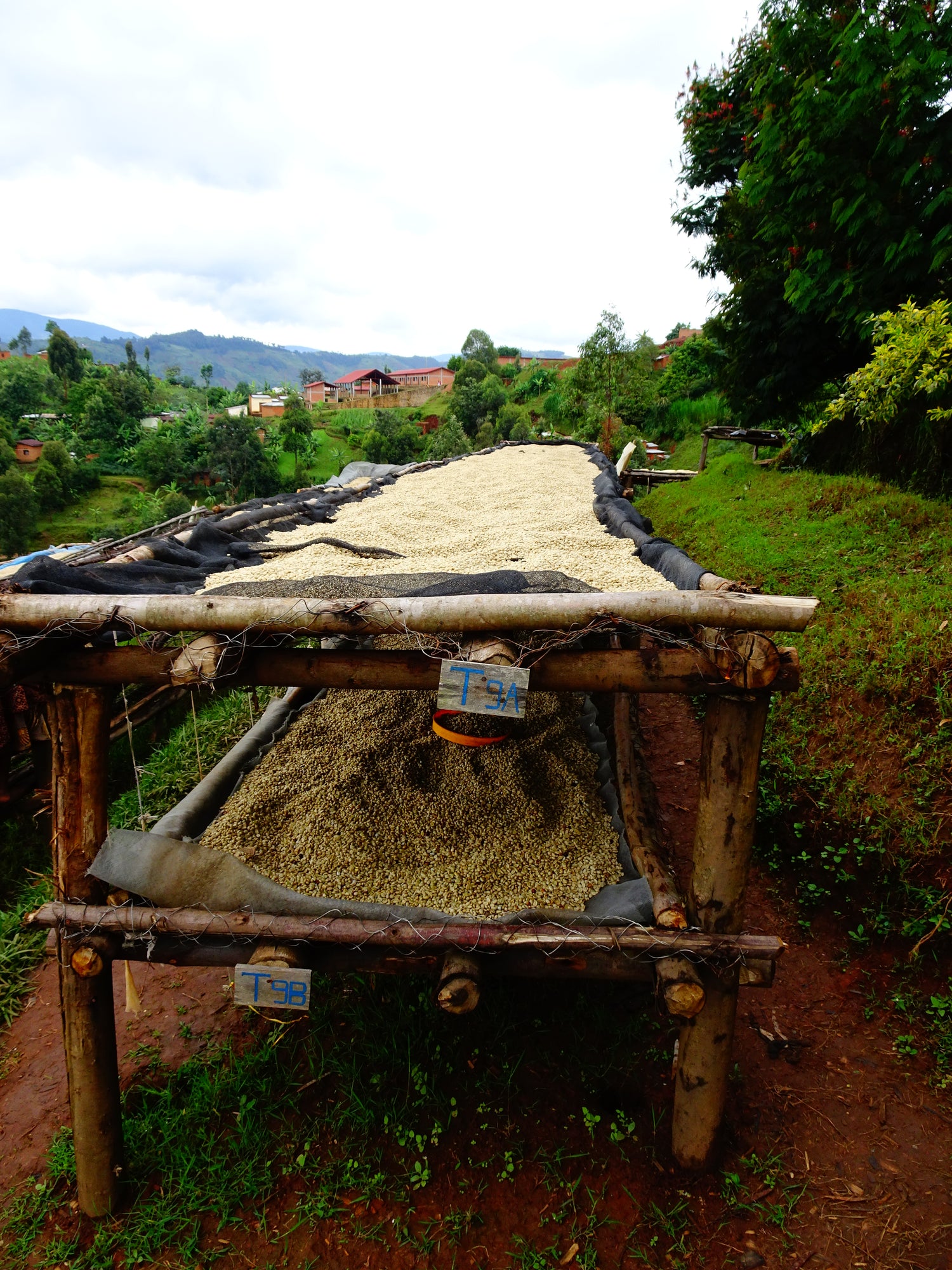
During the harvest season, Migoti hires an additional 250 seasonal workers to support the different stages of processing. Cherry collection, pulping, fermenting, washing, drying, sorting, quality control, and hulling all require these extra hands.
Coffee in Burundi follows a biennial yield cycle, with harvests alternating between high and low yielding years. However, over the past four years, the gap between high and low harvests has narrowed considerably.
This past harvest, which was expected to be a low-yield year, came remarkably close to matching the volume of the high-yield 2024 harvest.
The most recent harvest also saw a significant increase in the amount farmers were paid for their coffee, with prices more than doubling compared to 2024. It's important to remember, however, that this has also been influenced by the rising C price and inflation in Burundi.
After harvest, farmers are invited to taste the coffee they produced, often served with milk and sugar, as drinking black coffee is still relatively uncommon within the local community.